
Where the Real Finds Are in Ireland
There’s a big difference between buying antiques and actually finding them.
Anyone can walk into a shop and pick something off a shelf. But the pieces people really connect with, the ones with character, history, and a bit of life in them, usually come from somewhere less obvious. Ireland is full of those places, but you need to know where to look.
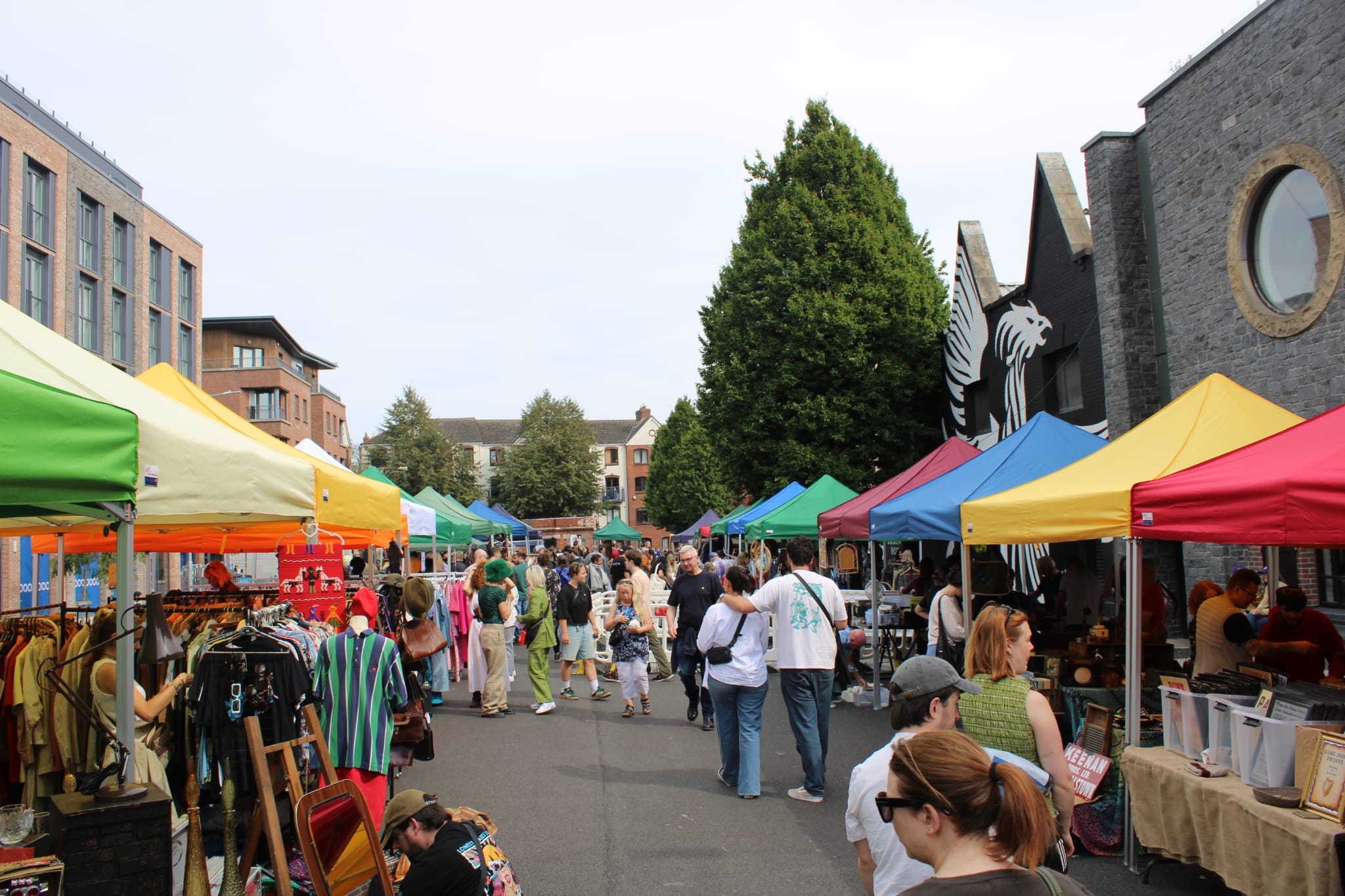
Flea Markets and Outdoor Markets
Markets are still one of the best places to find genuine pieces.
You’ll come across everything from old Irish advertising prints and vintage photographs to books, signage, and the kind of bric-a-brac you didn’t know you wanted until you saw it. For anyone looking to decorate a home bar or add personality to a space, these markets are full of inspiration.
The key is to get there early. The best pieces rarely last long, and the dealers who know what they’re doing are usually walking around before the crowds even arrive.
It’s also one of the few places where you can still have a proper conversation, ask about where something came from, and get a feel for the piece beyond just the price.
Auction Houses
Auctions are where things get interesting.
They can be hit or miss, but that’s part of the appeal. You might see ten average lots and then one piece that stands out completely. The trick is to do your homework. Read the catalogue properly, look at the photos closely, and if possible, go and view the items in person. Some of the best value can often be found in overlooked lots, including vintage Irish prints, posters and memorabilia that don’t always get the attention they deserve.
Antique Shops and Dealers
Shops can get a bad reputation for being expensive, but that’s not always fair. A good dealer has already done the hard work, sourcing, researching, and standing over what they sell. You’re paying for that knowledge as much as the object itself. The best approach is to build relationships. If a dealer knows what you’re interested in, they’ll often keep an eye out for pieces that suit you. That’s where the real finds start to happen.
Looking Beyond the Obvious
Some of the best pieces don’t look valuable at first glance. Old advertising prints, worn photographs, enamel signs, and even slightly distressed posters can have far more character than something that looks perfect. These are often the pieces people use when decorating Irish pubs, home bars, offices, or even just a feature wall at home. There’s something about a slightly aged print or a piece with a bit of wear that makes it feel authentic. Ireland is full of this kind of material, and once you start noticing it, you’ll see it everywhere.
Condition Isn’t Everything
One of the biggest mistakes people make is focusing too much on condition. Of course, it matters. But a piece with a bit of wear can often have far more character than something untouched. Prints with an aged patina, marks on wood, and signs of use all add to the story. In many cases, especially with vintage Irish posters and prints, that “lived-in” look is exactly what people who are decorating pubs and home bars are after.
Once you start looking at antiques this way, your eye changes completely.
Talk to People
This is probably the most overlooked part. Some of the best pieces never make it to a shop or a website. They change hands through conversations. A chat at a market, a tip from a dealer, someone mentioning they have memorabilia or collectibles at home they’re thinking of letting go. That’s how a lot of the best finds happen.
Take Your Time
There’s no rush with this. The best collections aren’t built in a day. They come together over time, piece by piece. You might go weeks without finding anything, and then suddenly something turns up that makes it all worthwhile. That’s part of the process.
Final Thought
Finding antiques in Ireland isn’t just about buying things. It’s about the hunt, the conversations, and the stories behind each piece. Because when you find something that really connects with you, whether it’s a vintage Irish print, an old photograph, or a piece of pub memorabilia, it’s never just an object. It’s a small part of history that you are now a custodian of.


