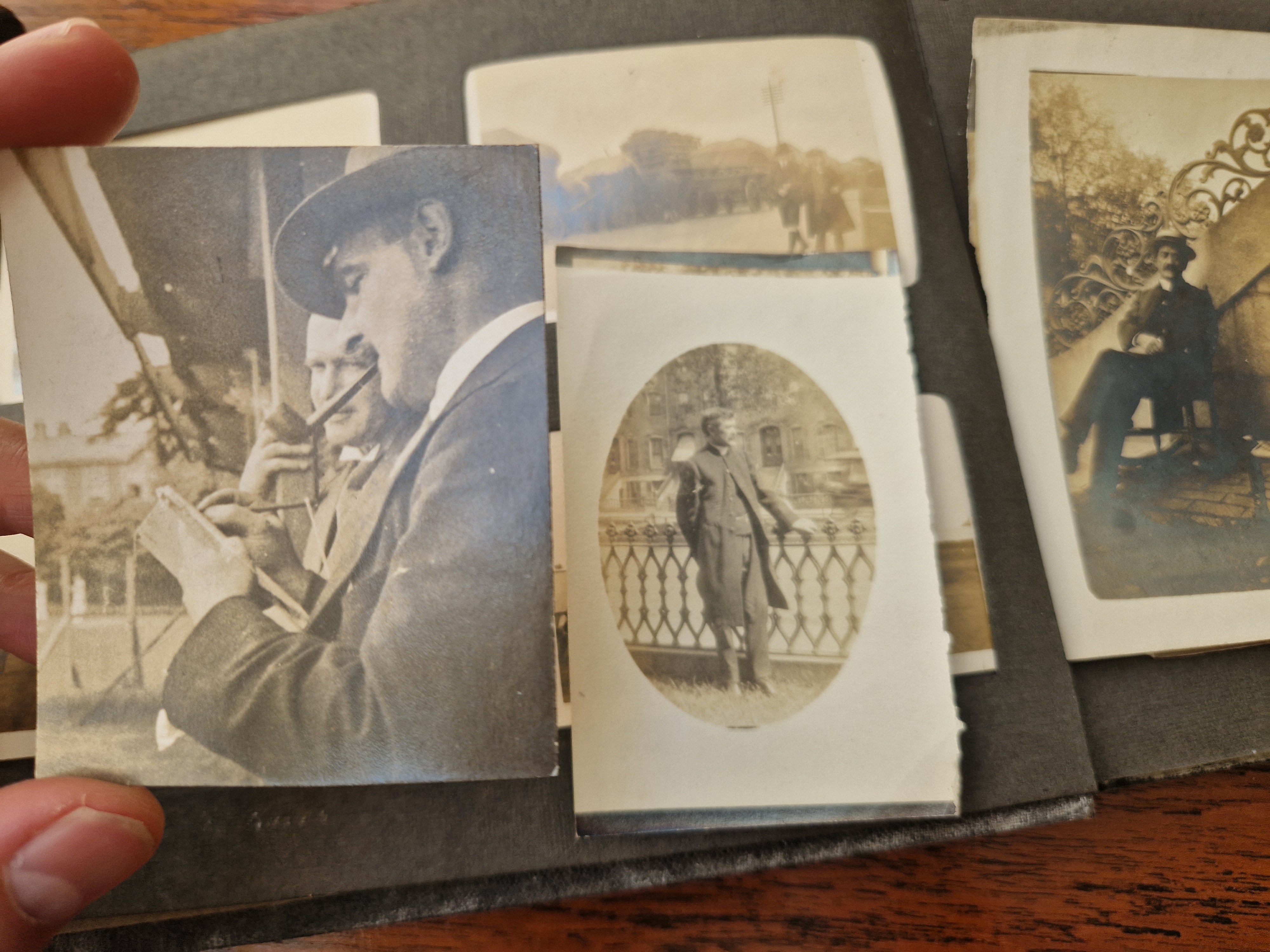
One of my earliest memories of being fascinated by old things goes back to a car boot sale when I was a child. I can still picture it now. Among the books, ornaments and household bits and pieces spread across folding tables was an old photograph album. It was sitting there among teacups, paperbacks and all sorts of things that people no longer wanted. I picked it up and started flicking through the pages.
The album was full of black and white family photographs, probably close to a hundred years old. There were weddings, family gatherings, children staring awkwardly into the camera and people standing proudly outside houses that may not even exist anymore. I had no idea who any of them were, but I remember being completely fascinated by it.
What stayed with me wasn't really the photographs themselves. It was the fact that the album was there at all. At some point, somebody had carefully put it together. They had chosen those photographs, arranged them page by page and preserved moments that clearly mattered to them. It was probably one of their most treasured possessions. Yet here it was, sitting on a folding table at a church fete among unwanted household items.
I still think about that album from time to time. In fact, whenever I come across old photograph albums at auctions, flea markets or house clearances, I get much the same feeling. Part of me is delighted that they have survived. Another part of me always feels a little sad. I often find myself wondering what happened. Did the family move away? Did nobody recognise the faces anymore? Was there simply nobody left who cared enough to keep it?
Somewhere along the line, the connection was broken. The names were forgotten, the stories disappeared and the people who once knew every face in those photographs were gone. Yet the album remained.
Over the years as an antique dealer, I've come across countless objects that give me that same feeling, but one in particular has always stayed with me.
About 15 years ago I bought a battered old briefcase at an auction in Rathmines. I think I paid around €40 for it. When I opened it, inside were letters, medals, badges, photographs and personal effects from a man's time during the Second World War.
I spent hours going through the contents. The more I looked, the more I found myself wondering about the man who had owned them. Who was he? What had he seen? What kind of life had he come home to afterwards?
What struck me most was the thought that these were probably among the most important possessions he owned. Out of everything he had accumulated throughout his life, these were the things he had chosen to keep.
I often imagined that briefcase sitting under his bed for decades. Perhaps every now and then he would take it out and look through the contents. Maybe he told stories about the medals and letters. Maybe he didn't. Like many people of that generation, perhaps he preferred not to talk about it at all.
Eventually he passed away and somehow the briefcase found its way into an auction room where it was sold for less than the price of a night out. I bought it and kept it for years.
Every now and then I would take it out and look through it again. Not because it was valuable, but because I couldn't stop thinking about the person behind it all. I never knew his name, but through those letters, photographs and medals I felt some sort of connection to him.
To me, that's one of the real wonders of being an antique dealer.
People often think the job is about buying and selling things, but a lot of the time it's about coming across fragments of other people's lives. After more than twenty years buying house contents, clearing buildings and handling old objects, I've learned that families almost always keep the valuable things. The jewellery is taken, the money is divided and the valuable antiques are identified.
What often gets left behind are the things that meant the most.
A photograph album that nobody quite knows what to do with. A bundle of letters tied together with string. An old diary tucked into a drawer. A collection of souvenirs from a honeymoon. The briefcase under the bed. Things that carry memories rather than value.
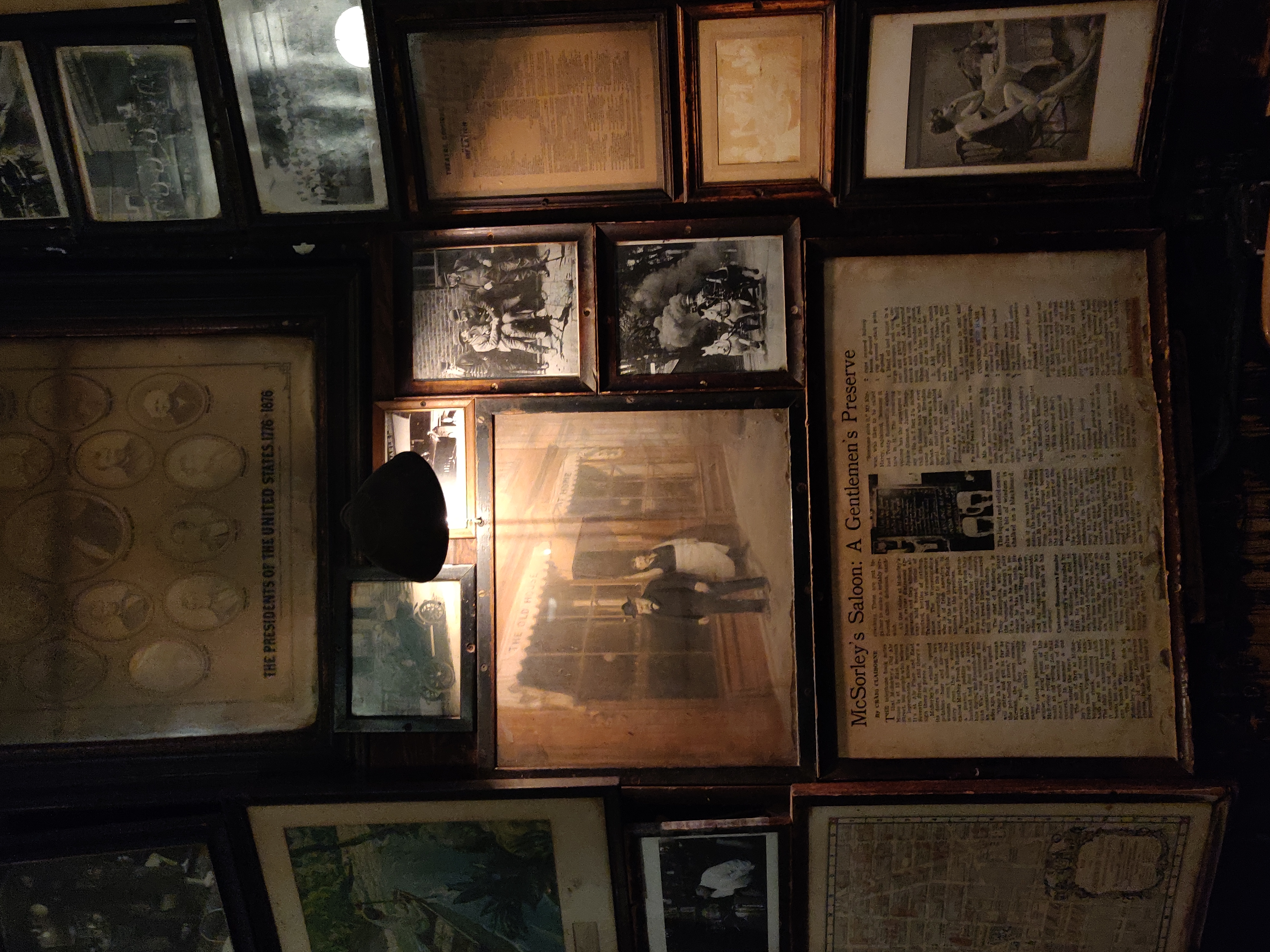
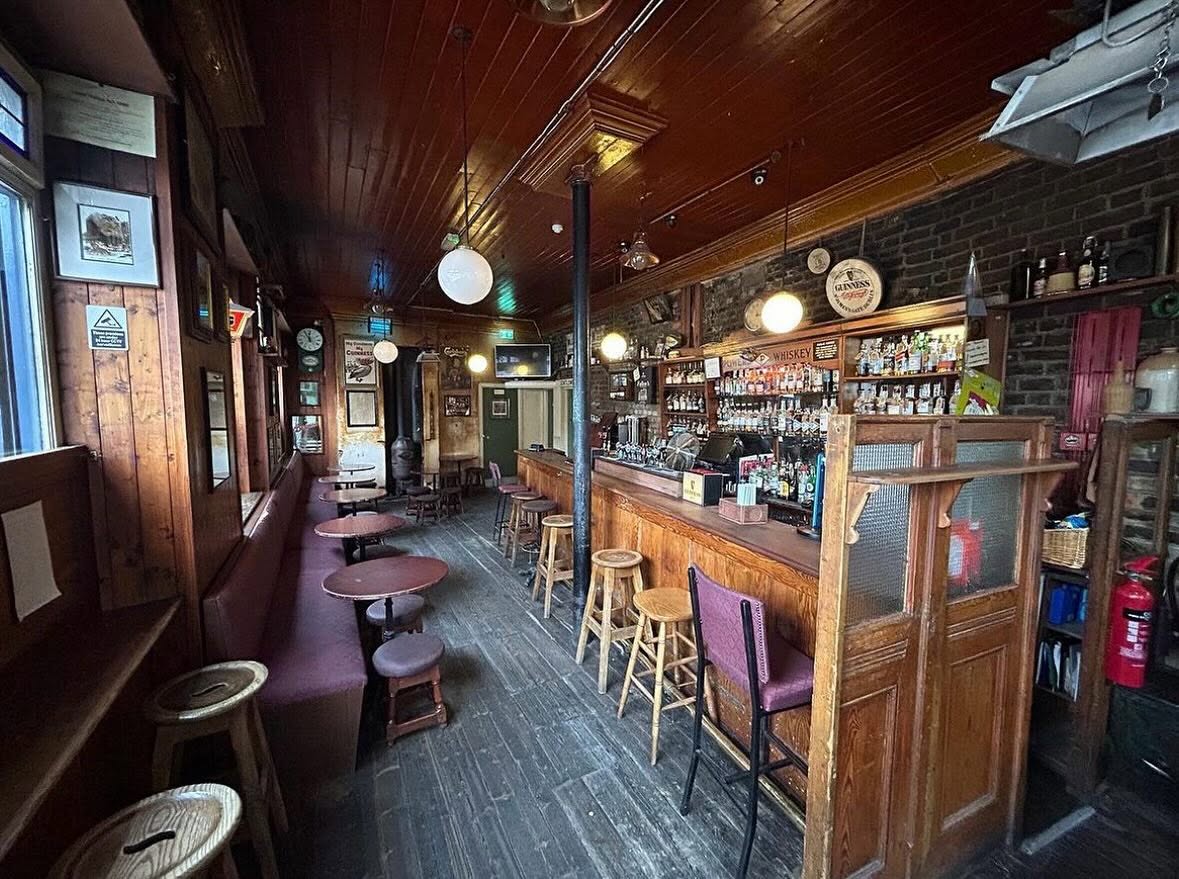
I often get the same feeling when I walk into an old Irish pub. A faded photograph behind the bar, an old advertising mirror hanging where it has hung for decades, a vintage Irish poster that somebody decided was worth keeping long after it had served its original purpose, or a handwritten notice that somehow escaped countless refurbishments and redesigns.
At some point, somebody couldn't bring themselves to throw those things away. And thank goodness they didn't. Because those are often the things that give a place its character.
The same is true of many of the old Irish prints and vintage Irish posters that I come across. Most were never intended to become decorative pieces or collectors items. They were simply everyday objects designed to advertise a product, an event or a place. Nobody imagined they would still be hanging on walls generations later. Yet somehow they survived, carrying a small piece of Irish history with them.
The older I get, the more I realise that what fascinates me isn't necessarily what an object is worth. It's why it survived. Most things don't.
Most things are thrown away, forgotten, broken up or left behind. Yet every now and then something manages to make it through. It passes from one owner to another, from one generation to the next, carrying a small piece of the past with it.
And perhaps that's why I've always been drawn to old things.
Not because they're rare. Not because they're valuable. But because every now and then you come across an object that makes you stop and think about the person who owned it before you, the life they lived and the stories that would otherwise have been forgotten.
To me, that's where the real magic lies.